
Your fixed rate is ending: what to do next
By Lena Delgado · Updated 2026-07-24
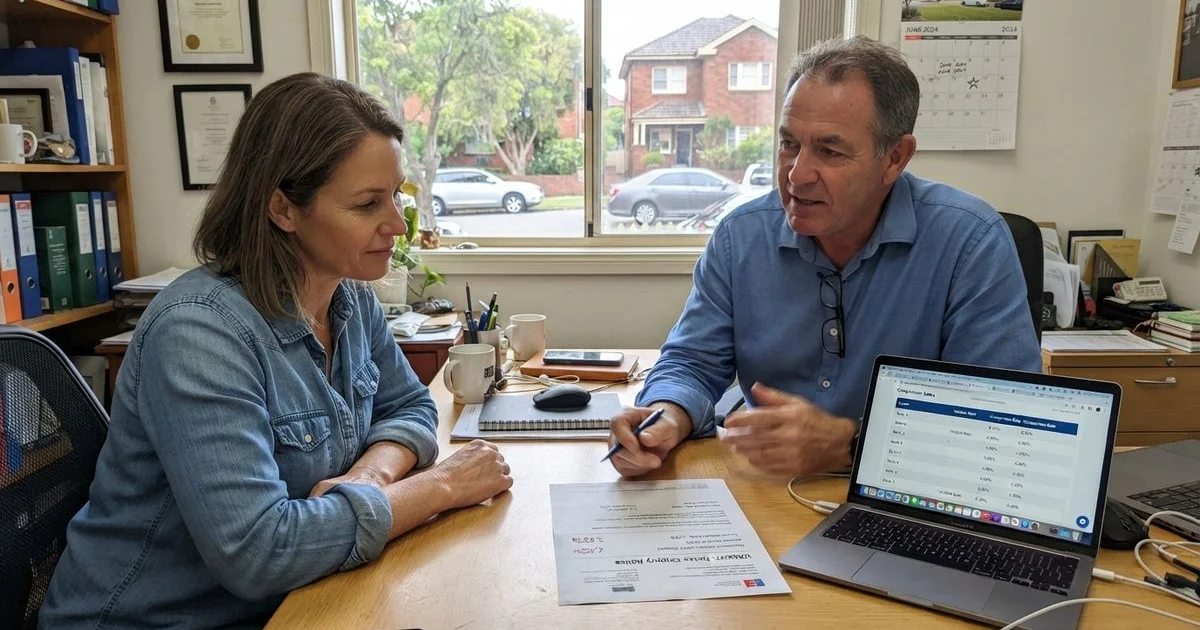
Fixed-rate loans feel simple while you’re on them: the repayment doesn’t move, so there’s nothing to think about. That changes the moment the fixed term ends, and a lot of people find out the hard way that “nothing to think about” turns into “an automatic jump to a much higher rate” if they don’t act before the term expires.
What happens if you don’t do anything
When a fixed term ends without any action from you, most lenders automatically roll you onto their standard variable rate, often called the revert rate. This rate is frequently higher than both the fixed rate you were paying and the rates that lender or others are offering to attract new customers. It’s a common enough trap that it’s worth marking the end date of your fixed term somewhere you’ll actually see it, well before it arrives.
Your options once the term is ending
- Ask your current lender what they can offer. Sometimes a quick call gets you a better rate than the automatic revert, especially if you mention you’re weighing up other lenders.
- Compare refinancing to another lender. A broker can check whether switching, factoring in any switching costs, genuinely comes out ahead.
- Fix again, if rate certainty matters to you and current fixed rates look reasonable against where variable rates seem headed.
- Split the loan, fixing part of the balance and leaving the rest variable, if you want some certainty without giving up all flexibility.
Why the jump can be bigger than expected
The size of the gap between your fixed rate and the revert rate depends on how long ago you fixed and how rates have moved since. A term fixed a couple of years earlier, before a run of rate rises, can revert to a rate that’s noticeably higher than what you were used to, which changes your monthly budget more than people expect if they haven’t checked the number in advance. Working out the actual revert rate for your specific loan, rather than assuming it will be roughly similar to your fixed rate, is worth doing early.

A rough timeline to work backward from
| Time before your fixed term ends | What to do |
|---|---|
| 2-3 months | Start comparing options and talking to a broker or your lender |
| 6-8 weeks | Apply to refinance if that’s the direction you’re heading, since approval takes time |
| 2-4 weeks | Finalise your decision: renegotiate, refinance, or accept the revert rate deliberately |
| The end date | Confirm the new rate is in place, don’t assume it happened automatically as expected |
If your situation has changed since you first fixed
It’s worth revisiting more than just the rate when a fixed term ends. If your income, deposit position, or plans for the property have changed since you first took out the loan, that’s also a natural point to reassess whether the loan structure itself still fits, not only which lender offers the best number. Someone who’s since had a pay rise, paid down other debts, or is now considering an investment purchase might find a broker recommends a different structure entirely, not just a different rate.
Why this is worth planning rather than reacting to
The gap between a competitive rate and a lender’s revert rate can be substantial, and even a short period sitting on the higher rate while you sort things out adds up. Planning two to three months ahead gives you time to negotiate, compare, and apply properly, rather than making a rushed decision the week your rate jumps. If your fixed term is coming up, it’s worth a conversation with a mortgage broker well before the date arrives rather than after the higher repayment shows up on your statement. Our methodology explains how we weigh responsiveness and proactive follow-up when scoring brokers, which matters a lot for exactly this kind of time-sensitive decision. Start from our home page if you want to compare a few brokers now, ahead of your renewal date.
FAQ
- What happens automatically when my fixed term ends?
- If you do nothing, most lenders move you onto their standard variable rate, sometimes called the revert rate. This is often higher than both the fixed rate you were on and current rates being offered to new customers, so doing nothing is rarely the cheapest option.
- How early should I start looking into my options?
- Ideally two to three months before your fixed term ends. That gives enough time to compare options, apply to refinance if that's the right move, and avoid a gap where you're stuck on the revert rate even briefly.
- Can I negotiate with my current lender instead of switching?
- Yes, and it's worth trying first since it can be faster and cheaper than a full refinance. Lenders will sometimes match or beat a competing offer to keep an existing customer, particularly if you mention you're comparing other lenders.
- Should I fix again or go variable this time?
- It depends on your appetite for rate certainty versus flexibility, and where rates are expected to move. A broker can talk through the trade-offs for your situation, including split loan options that fix part of the balance and leave the rest variable.