
What to expect from your first meeting with a mortgage broker
By Lena Delgado · Updated 2026-07-14
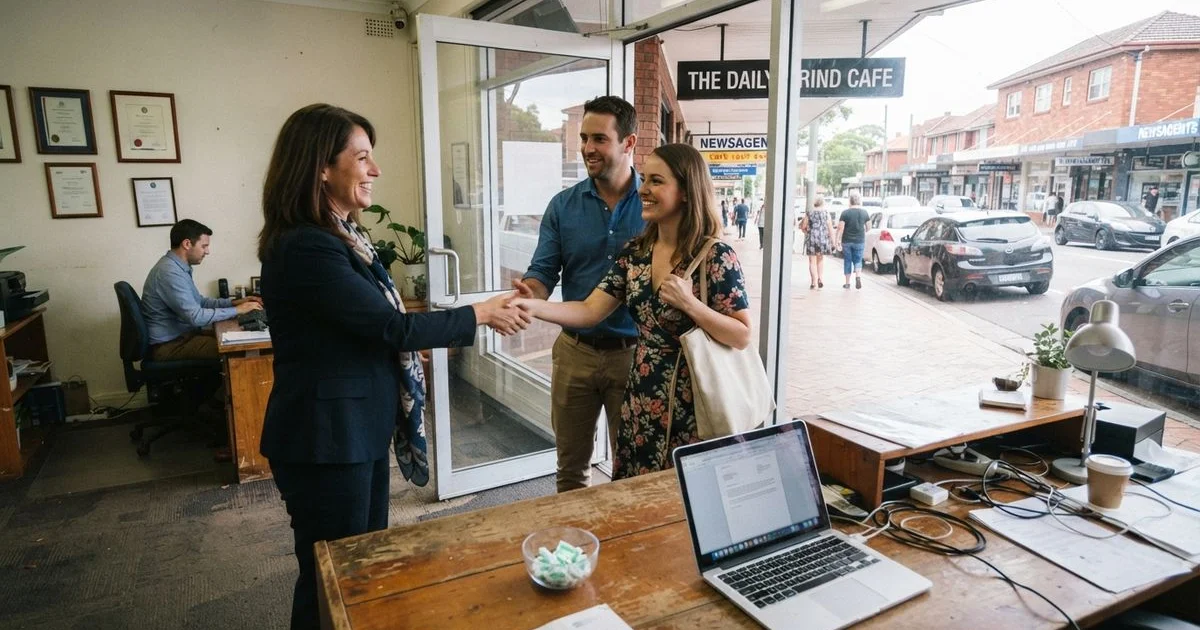
If you’ve never sat down with a mortgage broker before, not knowing what to expect can make the whole process feel bigger than it needs to be. The first meeting is really just a structured conversation: the broker needs to understand your situation before they can tell you anything useful, and you need enough information to decide if you want to keep working with them.
What the broker will ask you
Expect questions covering:
- your income and how stable or variable it is (payslips, self-employment, rental income, and so on);
- existing debts: car loans, personal loans, credit cards, and buy-now-pay-later balances;
- how much deposit or equity you have, and where it’s sitting right now;
- what you’re planning to buy, or at least the kind of property and price range;
- your five-year plans, since a loan structured for someone planning to sell in three years looks different from one for someone settling long term.
A broker who skips most of this and jumps straight to a product recommendation is worth being cautious of. Best interests duty requires them to actually understand your situation first.
In person, by phone, or by video
None of these formats change what gets covered, so pick whichever suits your schedule. An in-person meeting can feel more natural if you’d rather talk through numbers face to face, especially for a first-time buyer working through an unfamiliar process. A phone or video meeting works just as well for a straightforward situation, and can be easier to fit around work hours. Many brokers now default to video for a first conversation and only meet in person later if the situation calls for it, so don’t read anything into the format being offered.
What you should walk away with
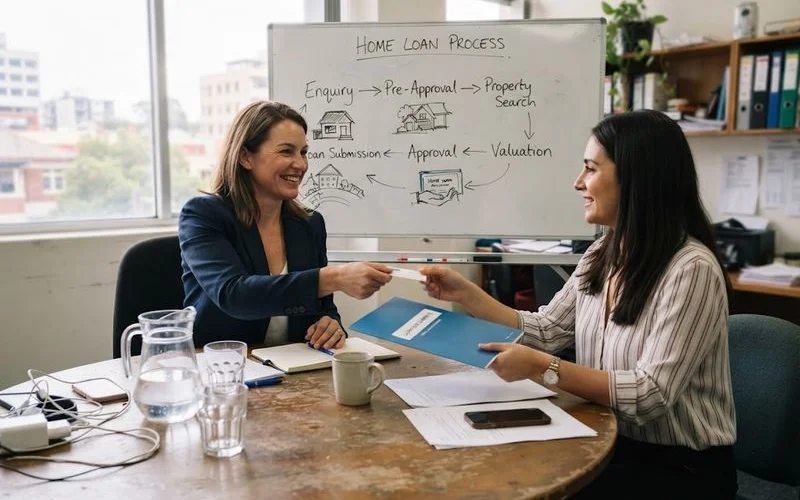
By the end of a good first meeting, you should have a rough sense of your borrowing capacity, an idea of what loan types or lenders might suit your situation, and a clear next step, whether that’s gathering documents for pre-approval or coming back once you’ve saved a bit more. You don’t need a firm answer on the spot, and a broker pressuring you to commit before you’ve had time to think is a signal to slow down. Our guide to red flags when choosing a broker covers other signs like this worth watching for.
It’s also a fair chance for you to size up the broker, not just the other way around. Notice whether they explain things in plain language or lean on jargon without checking you’ve followed, whether they seem genuinely curious about your goals beyond the loan itself, and whether the conversation feels rushed. A first meeting that leaves you with more confidence rather than more confusion is usually a good sign you’re in the right hands.
What to bring, if you want a sharper first conversation
| Bring this | Why it helps |
|---|---|
| Recent payslips or tax returns | Gives a realistic borrowing estimate rather than a rough guess |
| A rough list of monthly debts and expenses | Affects how much you can actually borrow, not just your income |
| An idea of your deposit or available equity | Determines whether LMI or certain schemes come into play |
| Any specific property or suburb in mind | Helps the broker flag anything unusual about that kind of purchase |
| Your timeline | Changes whether pre-approval makes sense now or later |
After the meeting
Most brokers will follow up with a summary of what was discussed and, if relevant, a request for the documents needed to move toward pre-approval. If you don’t hear back within a few days, or the summary doesn’t match what you thought was discussed, that’s worth raising early rather than letting it slide.
A first meeting that goes well usually leaves you with a clear sense of what happens next and roughly when, rather than a vague “we’ll be in touch”. Our methodology explains how responsiveness after that first contact factors into how we assess brokers, and our home page has the full directory if you want to compare a few before booking a meeting.
FAQ
- How long does a first meeting usually take?
- Somewhere between 30 and 60 minutes for a straightforward situation, longer if your income is complex or you're weighing up multiple scenarios. Video and phone meetings tend to run a similar length to in-person ones.
- Do I need to bring documents to the first meeting?
- Not always for the very first conversation, but having recent payslips, an idea of your savings and debts, and a rough sense of what you're looking to buy will let the broker give you a more useful estimate on the spot rather than a vague range.
- Will I get a loan recommendation in the first meeting?
- Sometimes a shortlist, but a specific recommendation usually comes after the broker has reviewed your full financial picture properly. Be cautious of anyone pushing a single lender before they've asked much about your situation.
- Is the first meeting free?
- Yes, for a standard home loan enquiry. Brokers are typically paid by the lender once your loan settles, so there's no charge for an initial conversation, even if you decide not to proceed.