
How a reverse mortgage works and what it actually costs over time
By Lena Delgado · Updated 2026-07-25
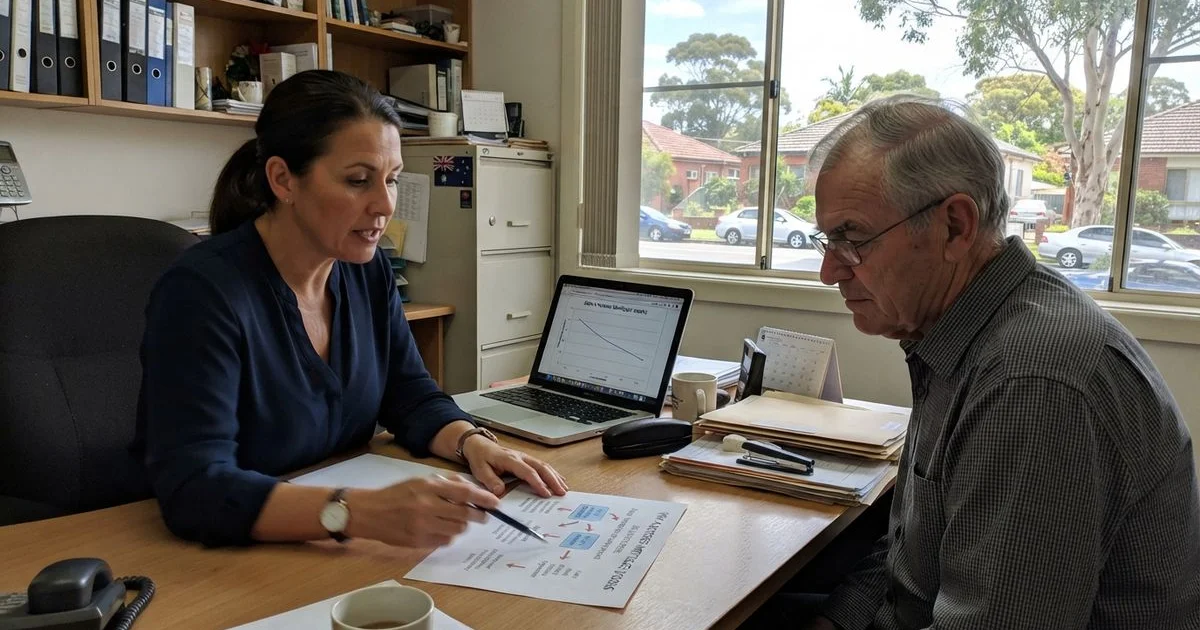
A reverse mortgage lets homeowners, usually aged 60 and over, borrow against the equity in their home without making regular repayments. It sounds simple, and in terms of day-to-day cash flow it is. What deserves real attention is how the debt grows over the years it’s outstanding, since that’s what determines how much equity is left later.
This is general information about how reverse mortgages typically work, not financial or legal advice for your specific situation. Anyone considering one should get independent legal advice before signing, which reputable brokers will insist on as a condition of proceeding.
Why the debt grows even without repayments
Because you’re not making regular repayments, the interest charged each period gets added to the loan balance instead of being paid down. That new, larger balance then attracts interest itself the following period. This compounding is normal and expected for a reverse mortgage, but it means the debt can grow faster over a longer loan term than people initially expect, especially in the later years of a long-running loan.
The protection that limits your downside
Reverse mortgages regulated under Australia’s consumer credit laws come with a no negative equity guarantee. This means that no matter how much the loan balance grows, you or your estate will never owe more than the home eventually sells for. If the accrued debt happens to exceed the sale proceeds, the shortfall isn’t chased from your other assets or your estate. It’s a genuine protection, and any product without it should be treated with serious caution.
How much you can borrow
Lenders typically limit how much of your home’s value you can access through a reverse mortgage, and the maximum usually increases with your age, since a shorter expected loan term means less time for the debt to compound. A homeowner in their early sixties will generally be offered a smaller percentage of their home’s value than someone in their eighties, even on an identical property, because the lender is weighing how long the loan is likely to run before it’s repaid.

What actually drives the long-term cost
| Factor | How it affects the outcome |
|---|---|
| Interest rate | Compounds over the life of the loan, so even small differences matter over a long term |
| How much you draw, and when | Drawing a lump sum early accrues more interest than drawing smaller amounts over time |
| How long the loan runs | Longer terms mean more compounding, which can significantly reduce remaining equity |
| Property value changes | Growth can offset some of the compounding effect, but isn’t guaranteed |
| Fees (establishment, ongoing) | Add to the total cost on top of the interest itself |
What to check before signing
- Ask for a projection showing the estimated loan balance at several future points, not just today’s figure.
- Confirm the no negative equity guarantee applies to the specific product being offered.
- Compare against alternatives: downsizing, a smaller equity release, or a family lending arrangement, rather than assuming a reverse mortgage is the only option.
- Get independent legal advice before signing, separate from the broker or lender.
- Ask how drawing the funds as a lump sum, an income stream, or a line of credit changes the total cost over time, since each draws down differently and affects how quickly interest compounds.
Choosing how you draw the funds
A lump sum starts compounding interest on the full amount straight away, while a line of credit or scheduled income stream only accrues interest on what’s actually been drawn at any point. If your need is ongoing rather than a single upfront cost, drawing smaller amounts over time rather than the full amount at once can noticeably reduce how much the loan grows overall. This is worth modelling properly rather than defaulting to the simplest option.
If you’re helping a parent think through this decision rather than making it for yourself, our guide on helping a parent weigh up a reverse mortgage covers the family side of the conversation.
A broker who specialises in reverse mortgage and retirement lending should walk you through realistic projections rather than just the headline numbers, and should never rush this decision. Our methodology explains how we assess brokers on transparency and specialist experience in this area, and our home page is a good place to start comparing.
FAQ
- Do I have to make repayments on a reverse mortgage?
- Not while you're living in the home. Interest accrues and is added to the loan balance instead of being paid regularly, so the debt grows over time rather than shrinking the way a standard mortgage does.
- What is the no negative equity guarantee?
- It's a protection required under Australian consumer credit law for regulated reverse mortgages, guaranteeing you (or your estate) will never owe more than the home sells for, even if the accrued debt ends up higher than the property's value.
- When does a reverse mortgage need to be repaid?
- Usually when you sell the home, move into aged care permanently, or pass away. The loan, plus all accrued interest, is repaid from the proceeds at that point.
- How much equity will be left for my family?
- It depends heavily on how long the loan runs and how the property value moves over that time, since interest compounds each year. A broker can model different scenarios so you can see a realistic range rather than guessing.